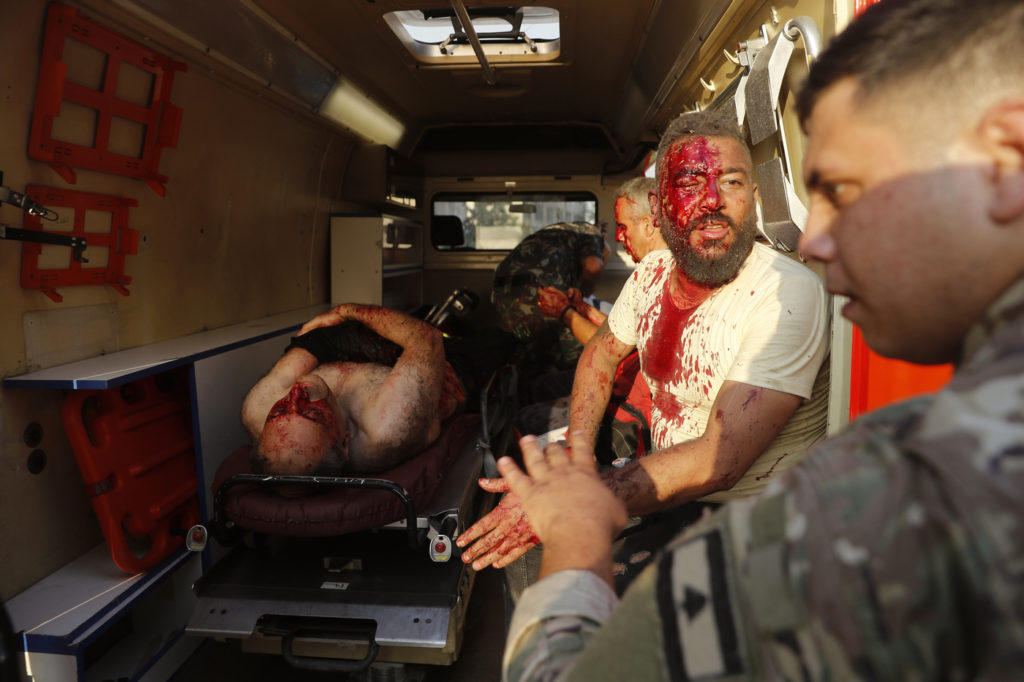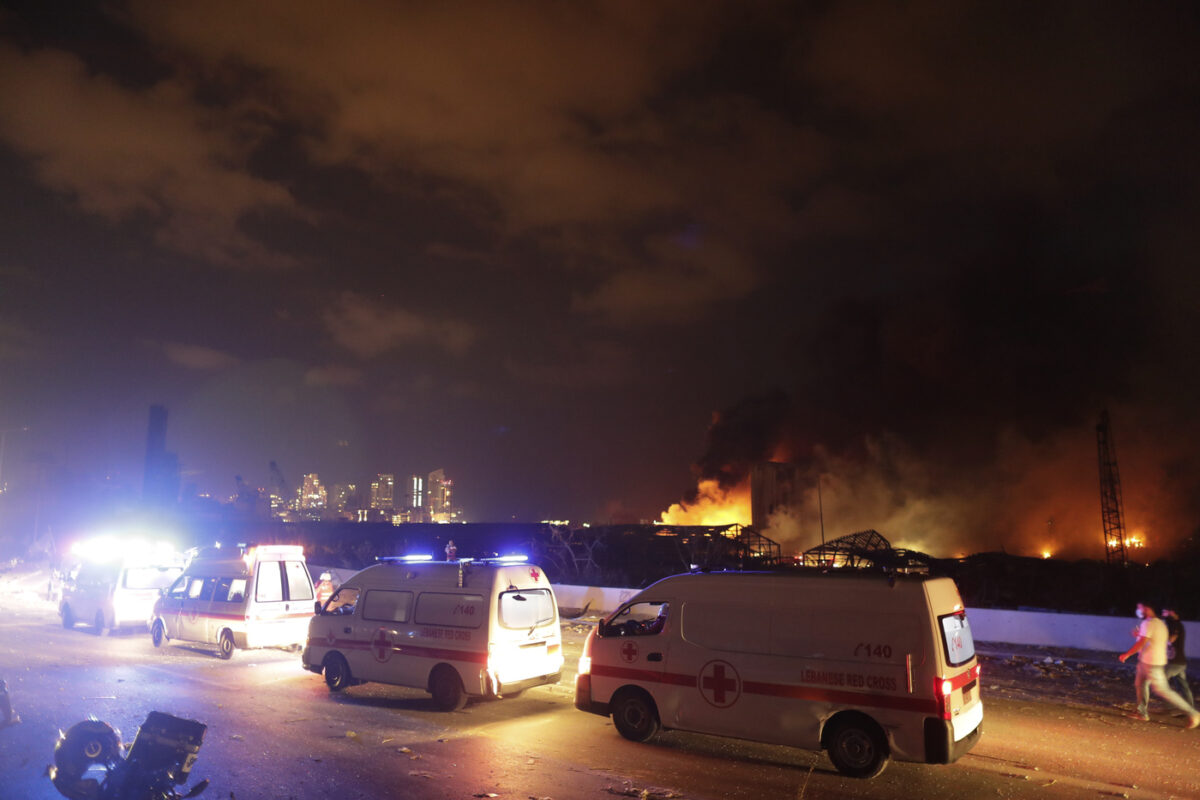
Oltre un giorno dopo la spaventosa esplosione che ha travolto Beirut, il Libano continua a contare le vittime. Il bilancio provvisorio è di oltre 100 morti e 4mila feriti, ma i soccorritori continuano a cercare sotto le macerie. E circa 300mila persone sono rimaste senza casa. Mentre le cause della detonazione restano incerte, e i responsabili dei depositi del porto sono stati posti agli arresti domiciliari, i voli internazionali di aiuti sono iniziati ad arrivare.
Quella che vari media hanno chiamato “apocalisse” giunge in un periodo delicato per il Libano, in preda a una gravissima crisi economica e al forte malcontento popolare per cattiva gestione e corruzione da parte dell’elite al potere. Arriva, anche, a pochi giorni dalla data prevista (venerdì 8 agosto) per le sentenze per i quattro membri di Hezbollah imputati per l’omicidio nel 2005 del premier Rafik Hariri. Il tribunale Onu ha annunciato però il rinvio al 18 agosto, “per rispetto alle innumerevoli vittime”.
Tra i morti c’è un australiano, tra i feriti ci sono cittadini del Bangladesh, un indonesiano e un militare italiano. Il governo ha dichiarato lo stato d’emergenza per due settimane, dando così ai militari pieni poteri. Il Paese rispetta tre giorni di lutto e il presidente Michel Aoun ha promesso che i responsabili subiranno “pesanti punizioni”. L’origine delle esplosioni, nel frattempo, resta incerta. Una delle ipotesi è la negligenza, mentre è emersa online una lettera ufficiale (per ora non confermata) secondo cui il capo del dipartimento doganale negli anni avvertì più volte sui rischi legati a una grande quantità di nitrato d’ammonio in un hangar del porto.
La sostanza è un componente dei fertilizzanti, ma anche un potenziale esplosivo. Le 2.750 tonnellate, hanno spiegato le autorità, furono stoccate dopo il sequestro da una nave nel 2013. A innescare l’esplosione forse un incendio legato a fuochi artificiali. L’esplosione, che ha causato un enorme fungo di fumo e ha avuto forza pari a un terremoto di magnitudo 3.5, è stata la più potente mai registrata nella capitale. Una città piegata da una guerra civile (1975-1990), bombardata nei conflitti con Israele e colpita da periodici attacchi terroristici. Le indagini sono state avviate, mentre alcuni esperti fanno ipotesi inquietanti.
Tra loro c’è chi, come Robert Baer, ex agente operativo della Cia, crede che solo la presenza di armamenti potesse originare una situazione come questa. “Se si guarda alla palla di fuoco arancione è evidente, si è trattato di esplosivo militare“, ha detto a Cnn. Il presidente Usa Donald Trump aveva parlato di “attentato“, ma è stato smentito anche da fonti del Pentagono che hanno detto di “non aver idea” del perché l’abbia detto.
Intanto, la città è a pezzi. Il governo ha destinato gli sfollati a scuole e hotel, promettendo risarcimenti. E c’è allarme sulle scorte alimentari, perché nei silos del porto era conservato l’85% del grano del Paese: è andato distrutto o è stato contaminato dai fumi tossici.Il mondo si è mobilitato. Il presidente francese Emmanuel Macron domani (giovedì) andrà a incontrare i leader del Libano, ex protettorato francese che mantiene stretti legami con Parigi. L’Eliseo ha anche inviato due aerei militari carichi di esperti, soccorritori e scorte. L’Unione europea ha avviato il Meccanismo di protezione civile e il sistema satellitare Copernicus, con l’invio urgente di oltre 100 vigili del fuoco con veicoli, cani addestrati e strumentazioni. L’Oms spedisce forniture mediche e aiuti sono stati promessi da Australia, Turchia, Iraq, Indonesia, Egitto, Giordania, tra gli altri. Persino dal premier israeliano, Benjamin Netanyahu, che si è detto pronto ad aiutare, “da esseri umani a esseri umani”, mentre i due Paesi rimangono formalmente in stato di guerra.